June 16th, 2026
New
Feature
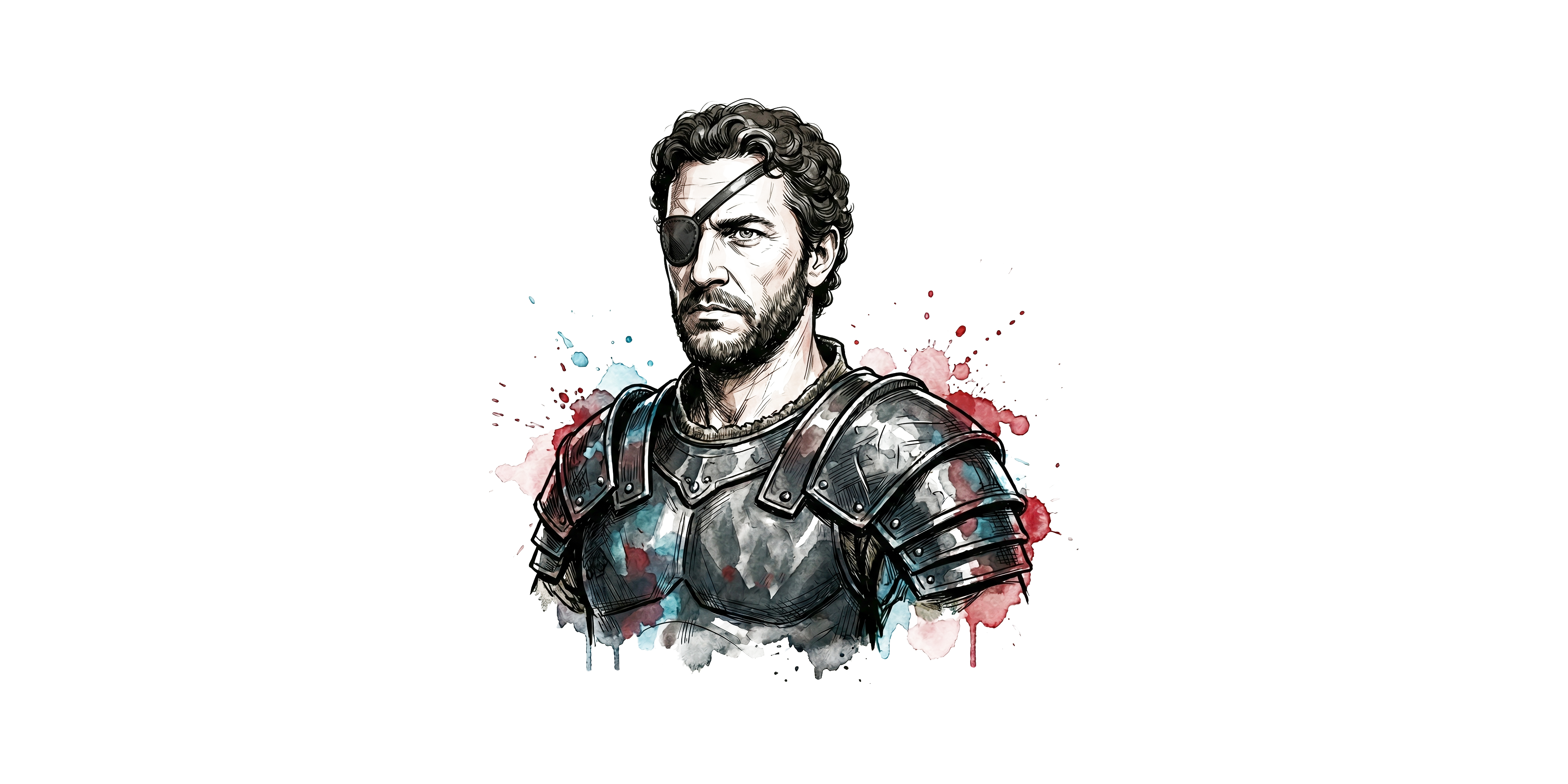
Hannibal: Autonomous, Long-Running Agentic Offensive Cyber Operations
Praetorian Guard now supports AI-enabled, fully autonomous, persistent attacks. Users can now define directives that continuously task the compute fleet to investigate specific targets or attack hypotheses. Unlike unsophisticated vulnerability scans or human-in-the-loop AI penetration testing, Hannibal runs autonomously and iteratively, accumulates cross-iteration learning, and files risks based on demonstrated compromise, linked back to the operational directive. Much of the engineering time has been spent on implementing enterprise-grade controls for efficacy, safety, and token efficiency.
Key features include:
Asset risk scores — When all tenant infrastructure is in scope, Hannibal leverages pre-computed asset risk scores for target selection
Guardrails — Safety and prevention controls to restrict scope, targeting, and actions through code enforcement and policy
Iterative memory — Rather than each run starting cold, working state persists across iterations so signal and compromises from earlier runs inform subsequent investigations
Judge agents — Adversarial review agents to help control hallucinations and false positives
Operation directives — Operators define a scoped hunt with a target, goal, and allowed tool set; the platform enqueues and manages execution across the compute fleet
Orchestration — Orchestrator/subagent architecture to coordinate delegation and execution
Subagents — Subagent delegation for specialized attack vectors across attack surfaces
Skills — A collection of offensive security agent skills benchmarked against 15 models
Risk linkage — Compromises from an operation are filed as Guard risks tagged with the originating hunt, enabling tracking and attribution
Authentication support — Works across various attack surfaces, including authenticated web applications, with compatibility for local authentication, single sign-on (SSO), two-factor authentication (2FA), and more
Watermarks — Hannibal uses watermarks to prevent retargeting recently targeted assets and risks
Workflows — Reusable, multi-step playbooks that chain skills and subagents into repeatable attack sequences, letting operators codify proven methodologies and apply them consistently across operations
Why Hannibal?
After Hannibal's invasion of Italy during the Second Punic War and following his devastating victory at the Battle of Cannae, Romans viewed the Carthaginian general as the greatest threat of their time. Roman children were taught that Hannibal grew up with a blood oath of eternal hatred toward Rome, and Roman parents would terrify their misbehaving children with the warning, “Hannibal ad portas!” …Hannibal is at the gates.